October 5, 2026
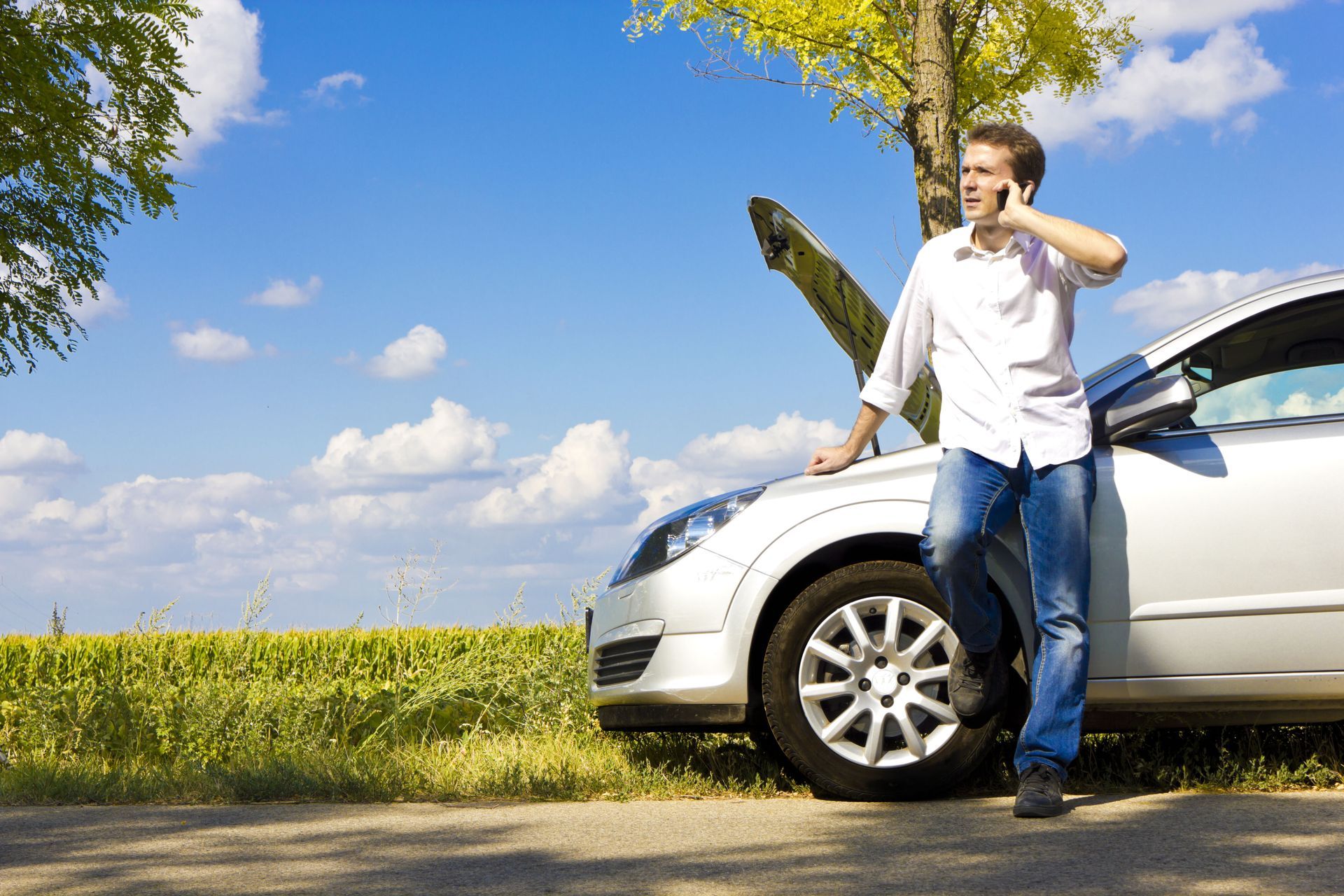
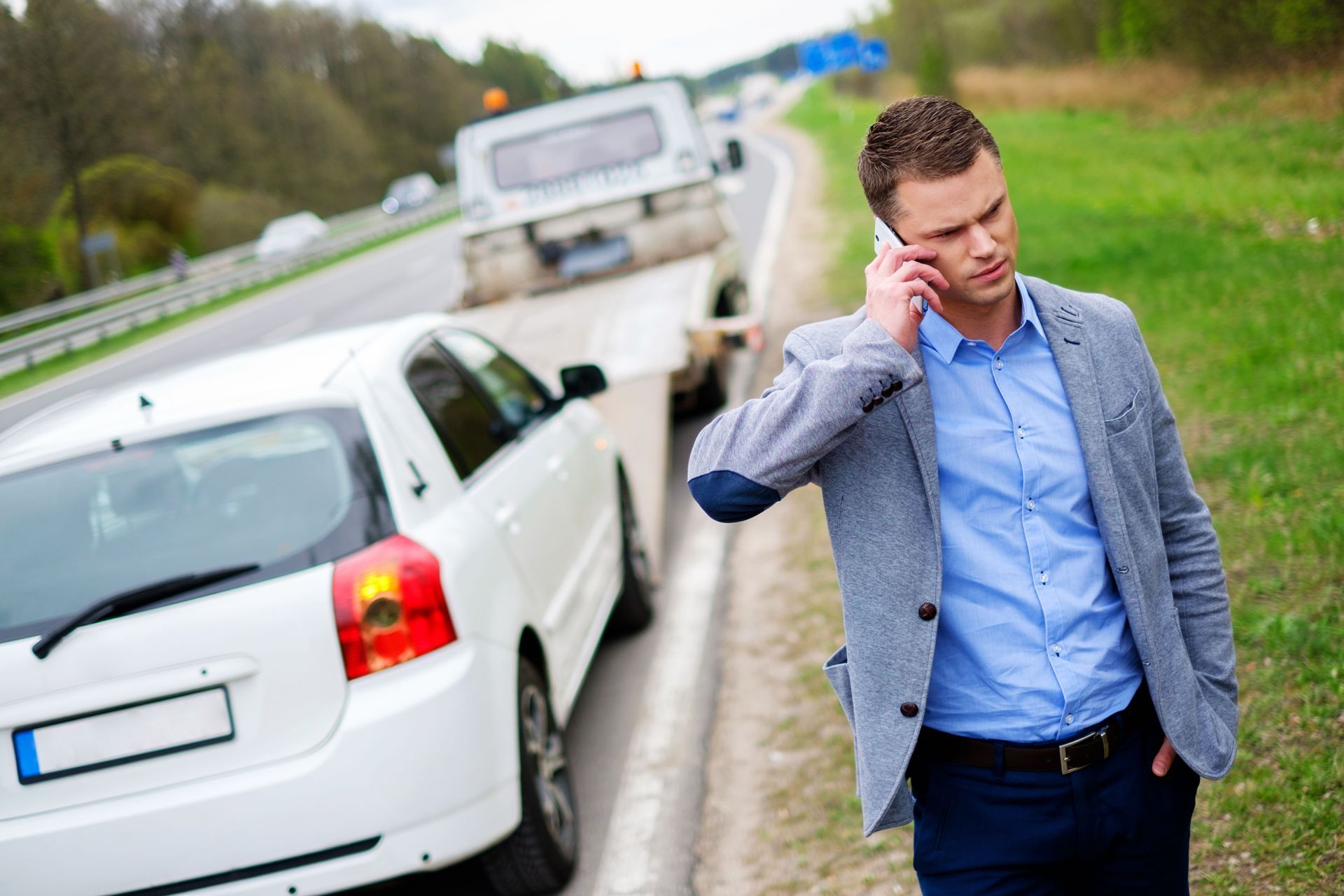
A vehicle breakdown can happen at the most inconvenient time, whether you are heading home after work, traveling through an unfamiliar area, or dealing with a problem before an important appointment. Some situations may allow you to safely arrange assistance later, while others require immediate attention because remaining where you are could expose you or your vehicle to additional danger.
Knowing when to request emergency towing can help you respond calmly when unexpected trouble occurs. Understanding common warning signs, hazardous roadside situations, and circumstances that call for professional assistance can make it easier to determine when continuing to drive is not worth the risk.
Recognize Dangerous Breakdown Locations
Where your vehicle stops can be just as important as why it stopped. A disabled vehicle on a busy highway, narrow shoulder, bridge, intersection, or poorly lit road can create an immediate safety concern. Even if the mechanical problem itself is minor, remaining in a hazardous location can expose you to passing traffic or create a collision risk.
In these situations, emergency towing may be appropriate because relocating the vehicle can remove it from an unsafe environment. If your vehicle cannot move under its own power, avoid attempting repairs in a location where you could be struck by passing vehicles. Turn on your hazard lights and, when possible, move yourself and passengers to a safer position away from traffic.
Respond To Serious Vehicle Problems
Some vehicle problems should not be ignored simply because the vehicle still appears capable of moving. Overheating, major fluid leaks, severe steering problems, brake issues, or significant engine trouble can become worse if you continue driving. Attempting to reach a repair shop may turn a manageable problem into a much more expensive or dangerous situation.
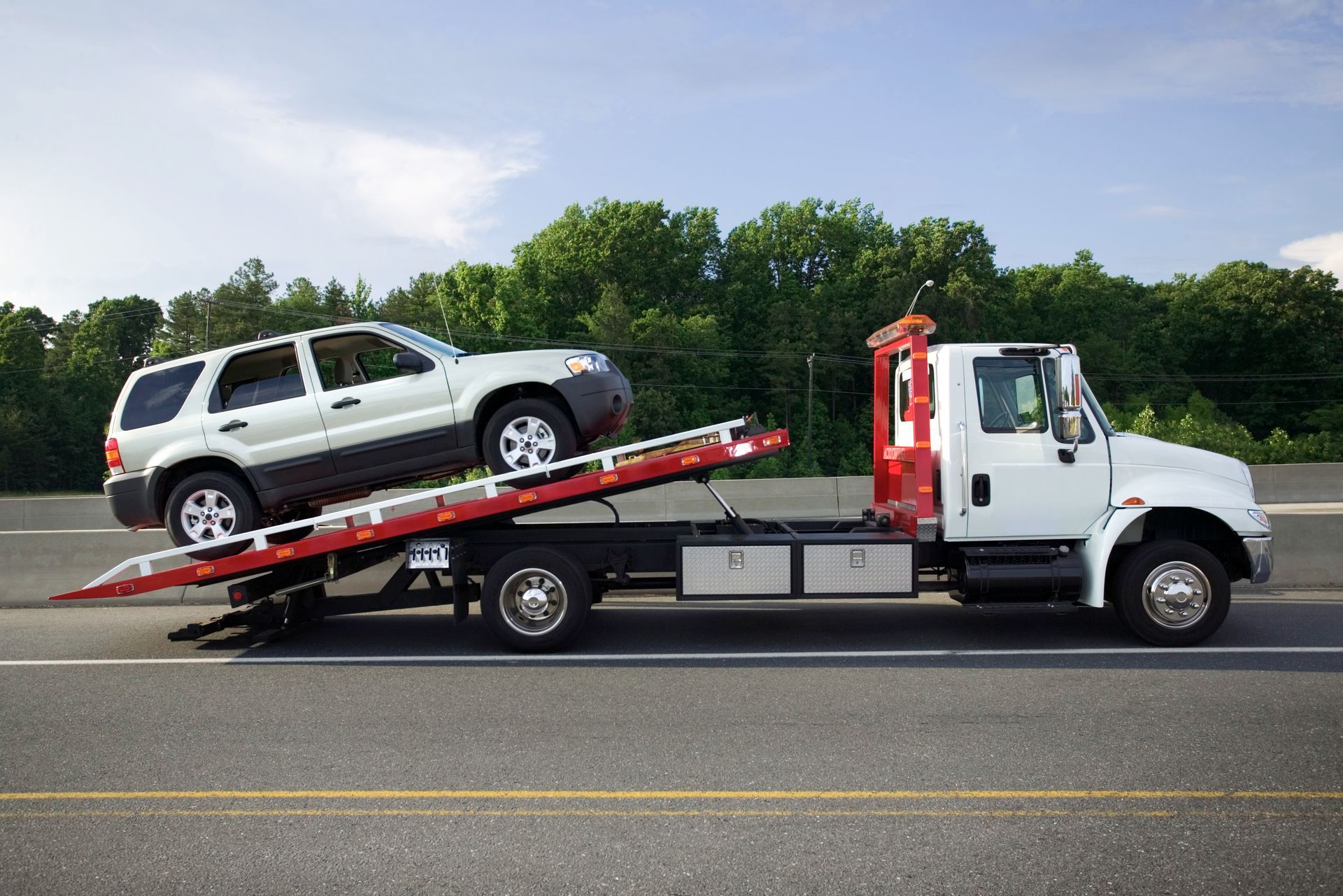
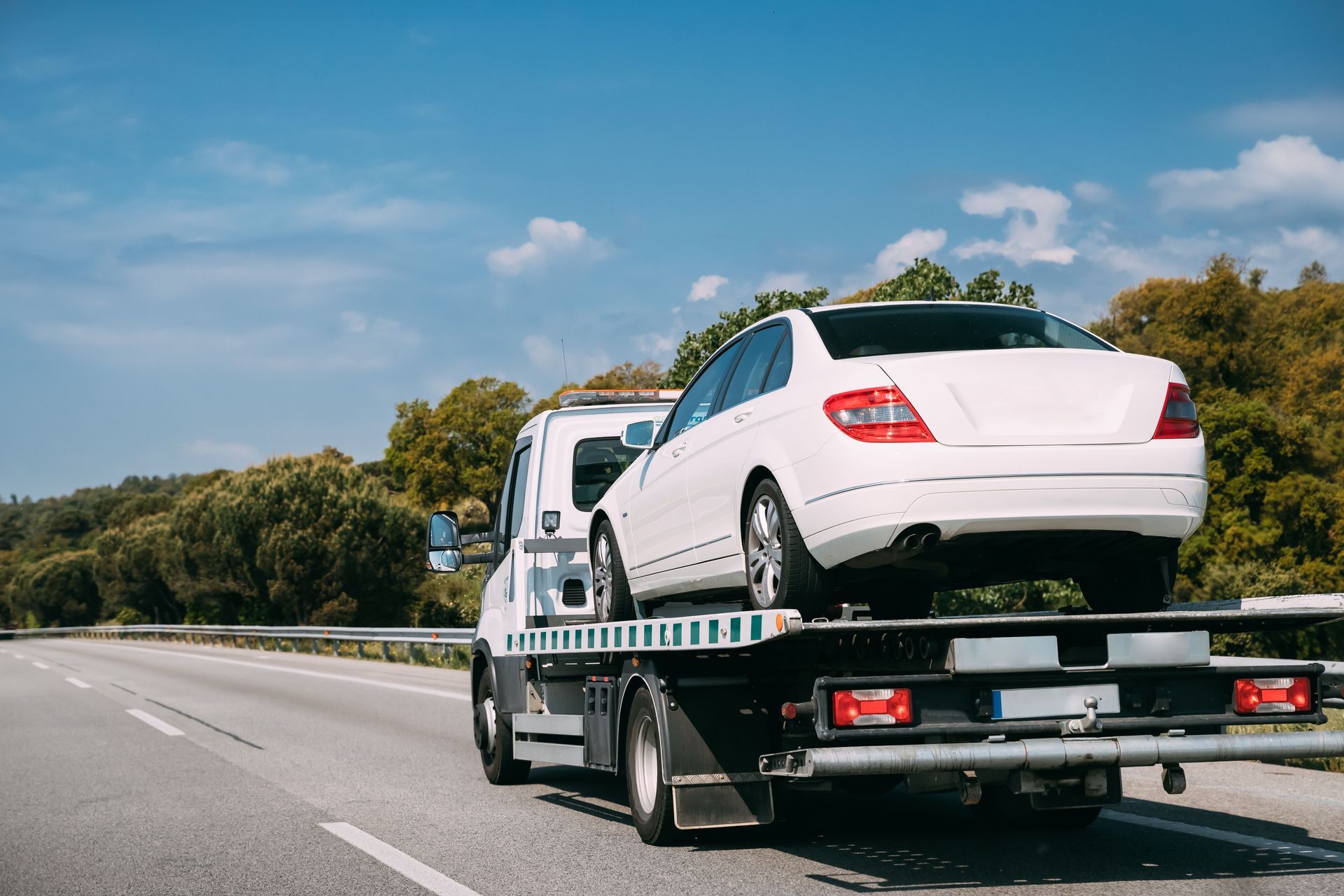
Emergency towing provides a way to transport a vehicle when driving it farther could cause additional damage. A professional can help remove the vehicle from the roadside and take it to an appropriate destination for inspection or repair. This approach can be particularly important when the source of the problem is unclear.
Pay attention to unusual sounds, warning indicators, smoke, burning odors, or sudden changes in how the vehicle handles. These signs do not always mean a catastrophic failure is occurring, but they can indicate that continued driving deserves careful consideration. When the vehicle's condition makes driving questionable, arranging professional assistance can be the safer option.
Handle Accidents With Care
A collision can leave a vehicle in a condition that makes driving unsafe, even when the damage initially appears limited. Damage to the tires, wheels, steering components, suspension, lights, or body can affect how the vehicle operates. Hidden damage may also exist beneath visible dents or scratches.
After an accident, focus first on personal safety and following appropriate emergency procedures. Once the immediate situation has been addressed, towing may be necessary if the vehicle cannot be safely operated or is obstructing traffic. Trying to drive away from a collision without understanding the vehicle's condition can create additional hazards.
Emergency towing can also help when a damaged vehicle needs to be transported to a repair facility, storage location, or another appropriate destination. Professional towing allows the vehicle to be moved without requiring the driver to take unnecessary risks behind the wheel.
Consider Severe Weather Conditions
Weather can turn an ordinary breakdown into a much more serious roadside situation. Heavy rain, flooding, strong winds, extreme cold, ice, or reduced visibility can make waiting beside a disabled vehicle especially uncomfortable or dangerous. Weather conditions may also increase the likelihood of secondary accidents involving passing traffic.
If your vehicle becomes disabled during severe weather, consider both the condition of the vehicle and the safety of everyone nearby. Avoid walking into active traffic or attempting risky roadside repairs. If the vehicle is in a dangerous position or cannot be safely driven, emergency towing can provide a way to relocate it.
Weather can also affect whether a vehicle should continue moving after a minor problem develops. A warning light or mechanical symptom that might be manageable under normal conditions can become more concerning when visibility, traction, or roadside conditions deteriorate. Making a cautious decision early can prevent a difficult situation from becoming more complicated.
Understand When A Vehicle Cannot Move
A vehicle does not have to be completely destroyed to require a tow. A flat tire without a usable spare, a dead battery in an unsafe location, a locked steering wheel, or a mechanical failure can leave a vehicle unable to continue. In other cases, the vehicle may technically move but should not be driven because doing so could worsen the problem.
Knowing the difference between a temporary inconvenience and a situation that requires transportation can save time and reduce unnecessary risk. If basic roadside assistance cannot resolve the issue safely, having the vehicle towed may be the practical next step.
According to IBISWorld, the auto towing industry is highly fragmented, with no individual company holding more than a five-percent share of the market. This means motorists may encounter many different towing providers, making it important to consider factors such as availability, service area, equipment, and the nature of the assistance needed.
When selecting a provider, explain the vehicle's condition and location as clearly as possible. Details about the vehicle, surrounding conditions, and apparent problem can help the towing professional determine what type of equipment and assistance may be appropriate.
Prepare For Unexpected Roadside Emergencies
Preparing before a breakdown occurs can make an emergency situation much easier to manage. Keep important vehicle information accessible, including registration details, insurance information, and relevant roadside assistance contacts. A charged phone can also be essential for communicating with family members, emergency services, or a towing provider.
It is also helpful to know what to do immediately after a vehicle becomes disabled. If possible, move the vehicle to a safe location without putting yourself or others in danger. Turn on hazard lights and remain aware of surrounding traffic. If staying inside the vehicle is unsafe because of its location or conditions, move to an appropriate safe area away from traffic when circumstances allow.
Emergency towing is most useful when the vehicle cannot safely remain where it is or cannot reasonably be driven to its destination. Having a plan before trouble occurs can make the decision process less stressful when you are dealing with an unexpected breakdown.
A roadside problem can be frustrating, but knowing when to stop driving and request professional help can protect both you and your vehicle. Hazardous locations, serious mechanical symptoms, accident damage, severe weather, and vehicles that cannot safely move are all situations where towing may be appropriate. Acting promptly can also help prevent additional damage or exposure to roadside hazards.
Keeping emergency supplies in your vehicle can also provide useful support while you wait for assistance. A flashlight, reflective equipment, basic first-aid supplies, water, and a phone charger can help you remain prepared. These items are especially valuable when a breakdown occurs at night, in an isolated location, or during difficult weather conditions.
When your vehicle leaves you stranded and driving is not a safe option, do not take chances trying to get it farther down the road. Call AM Towing, Inc for prompt professional assistance and get your vehicle where it needs to go safely.